

The Darkness Before the Dawn
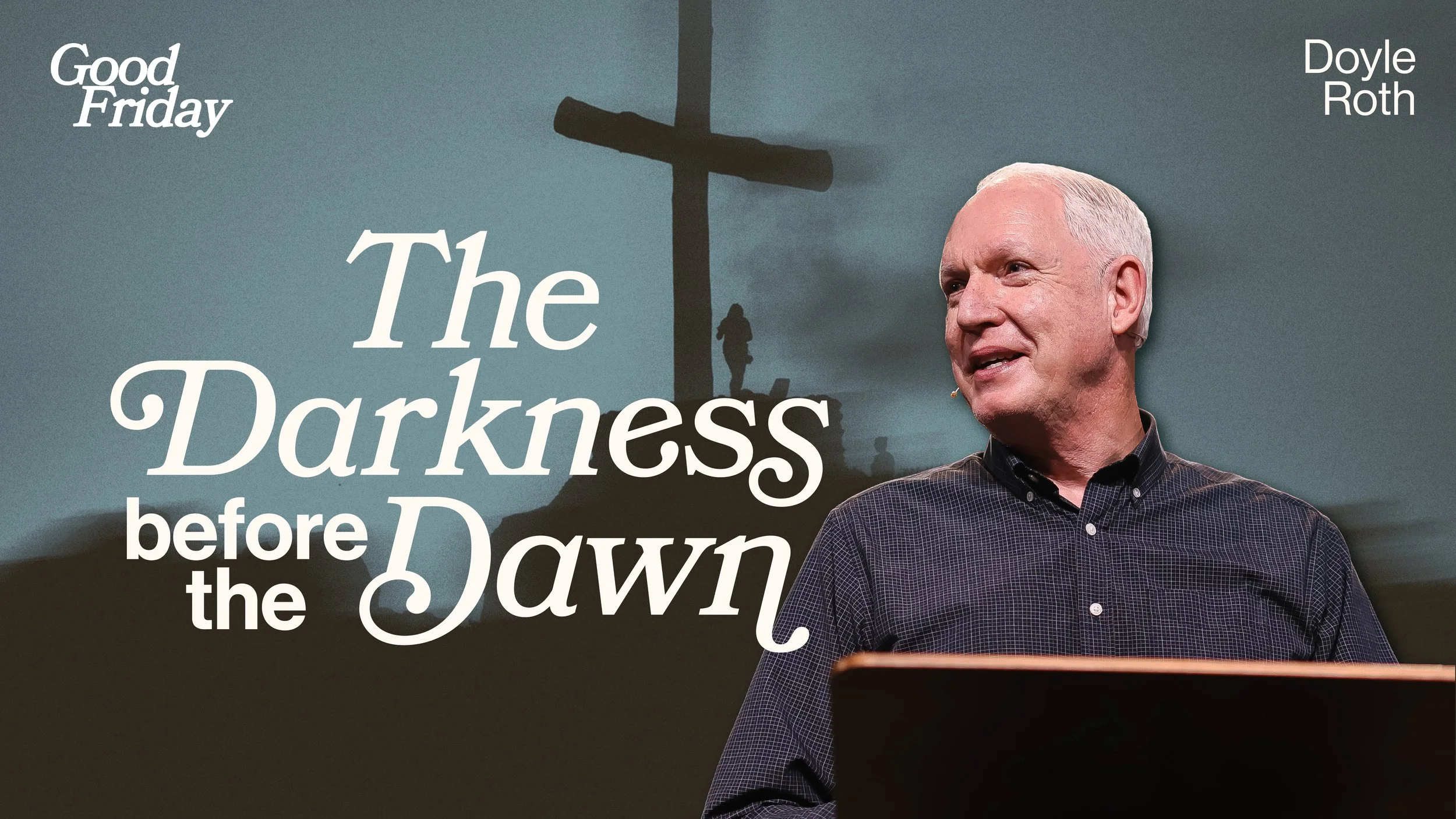
When Darkness Comes Before Dawn: Understanding the Crucifixion
Have you ever woken up expecting sunshine only to find darkness still covering the earth? That disappointment of expecting brightness but finding cold, dark dampness instead captures something profound about the crucifixion story. As we approach Easter, we often focus on the celebration of resurrection, but the darkness before the dawn is equally important.
What Was It Like for Jesus' Followers?
Imagine being one of Jesus' disciples during those dark hours. For three years, they had followed this incredible rabbi and miracle worker. They witnessed his wisdom, experienced his hope-giving words, and understood he was fulfilling prophecies as the Messiah. Just days before, during the triumphal entry into Jerusalem, crowds worshiped and praised him, recognizing his divine nature.
But everything changed when Jesus didn't meet their expectations. They wanted a God who would improve their political and financial situations, who would make their lives comfortable. When Jesus disappointed these hopes, the very people who had praised him quickly turned against him.
The Day Everything Went Dark
The day of crucifixion was devastating for Jesus' faithful followers. Only a few remained - some of the women, John, and a handful of others. Their Jesus, their Messiah, their source of hope and miracles, was hanging on a cross, dying. Everything they thought was good had turned bad. Darkness had come.
Perhaps you've experienced similar devastation - when dreams are shattered, when what you thought would be your future suddenly disappears. In those moments, darkness can whisper that this is how your story ends.
Reading the Crucifixion Account
The Journey to Golgotha
"'As they were going out, they met a man from Cyrene named Simon, and they forced him to carry the cross. They came to a place called Golgotha, which means the place of the skull.'" - Matthew 27:32-33 King James Version (KJV)
Jesus had endured a sleepless night, brutal beatings, and the crown of thorns. His body was so weakened that Simon of Cyrene had to help carry the cross. This wasn't accidental - it was intentional suffering for our sake.
The Mockery and Humiliation
"'Those who passed by hurled insults at him, shaking their heads and saying, You who are going to destroy the temple and build it in three days, save yourself. Come down from the cross if you are the Son of God.'" - Matthew 27:39-40 King James Version (KJV)
The scene was filled with public humiliation. Religious leaders taunted him, passersby mocked him, even the criminals crucified beside him initially joined in the insults. This reveals something profound about human nature - our tendency to reject our Creator when He doesn't meet our expectations.
Why Did Jesus Carry Our Sin?
Sin isn't just a mistake - it's rebellion against God. Imagine carrying a backpack that starts with a few bricks but gradually becomes loaded with more and more weight until you can barely stand. That's what sin does to us. All of our sins, and yours, were placed on Jesus that day.
Jesus entered the darkness not because he deserved it, but because of our sin. He carried the weight that was wearing us down, exhausting us, and leading us toward spiritual death.
What Did Jesus Mean by "Why Have You Forsaken Me?"
Understanding the Psalm 22 Connection
"'About three in the afternoon, Jesus cried out in a loud voice, Eli, Eli, lama sabachthani? Which means, My God, my God, why have you forsaken me?'" - Matthew 27:46 King James Version (KJV)
Many misunderstand this cry, thinking God literally abandoned Jesus. But Jesus was quoting Psalm 22, which the religious leaders would have known well. This psalm, written hundreds of years before crucifixion was even invented, describes the Messiah's suffering in remarkable detail - including the casting of lots for his clothing.
Jesus wasn't expressing abandonment; he was declaring that he was fulfilling every prophecy about the Messiah. Even in apparent defeat, God was still present and working.
What Happened When Jesus Died?
The Temple Curtain Torn
"'At that moment the curtain of the temple was torn in two from top to bottom. The earth shook, the rocks split and the tombs broke open.'" - Matthew 27:51-52 King James Version (KJV)
The temple curtain was massive - 60 feet tall, 30 feet wide, and four inches thick. It separated the holy of holies from the rest of the temple. When it tore from top to bottom, it symbolized that the barrier between God and humanity was removed.
Because Jesus paid for our sins, we no longer need intermediaries to approach God. We can go directly to Him through Jesus.
The Centurion's Response
"'When the centurion and those with him who were guarding Jesus saw the earthquake and all that had happened, they were terrified and exclaimed, Surely he was the Son of God.'" - Matthew 27:54 King James Version (KJV)
These Roman soldiers came to do their job as executioners. They had likely crucified many criminals before, but this time was different. After witnessing the earthquake and supernatural events, they recognized Jesus as the Son of God.
How Must We Respond?
When confronted with the truth of Jesus' sacrifice, we must respond. We can't remain neutral. We can either:
Scoff and walk away like the religious leaders
Mock or deny what happened
Remain indifferent (which is actually a form of rejection)
Accept what Jesus did for us
Even if you don't understand everything, you can pray a simple prayer: "God, would you help me understand who you are and what you're doing? Open my eyes and my heart."
Life Application
This week, reflect on the weight that Jesus carried for you on the cross. He took your guilt, shame, and the consequences of your sin, offering you what you could never earn - a relationship with God. The darkness of that Friday wasn't the end of the story, and whatever darkness you may be experiencing isn't the end of yours either.
Consider these questions:
What expectations of God might be preventing you from seeing His true purpose in your life?
How does understanding that Jesus carried your specific sins change your perspective on guilt and shame?
In what areas of your life do you need to remember that God is still working, even when circumstances look dark?
How will you respond to what Jesus did for you on the cross?
Remember, Jesus didn't just die that day - He died for you because He loves you. His promise isn't just about what happened back then, but about what's happening right now in your heart.